Kitchen organisation
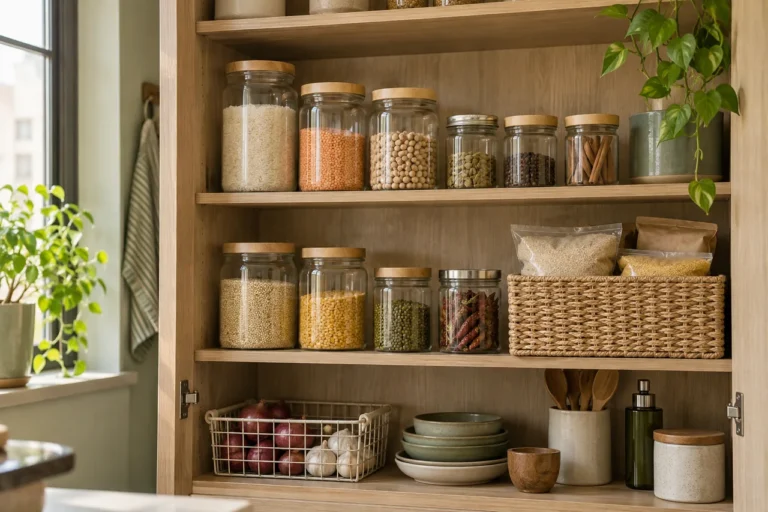
Give pantry ingredients, utensils and deep cupboards an accessible place before choosing organisers.
Thoughtful ideas for a calmer kitchen, clever storage and everyday spaces that work beautifully for you.
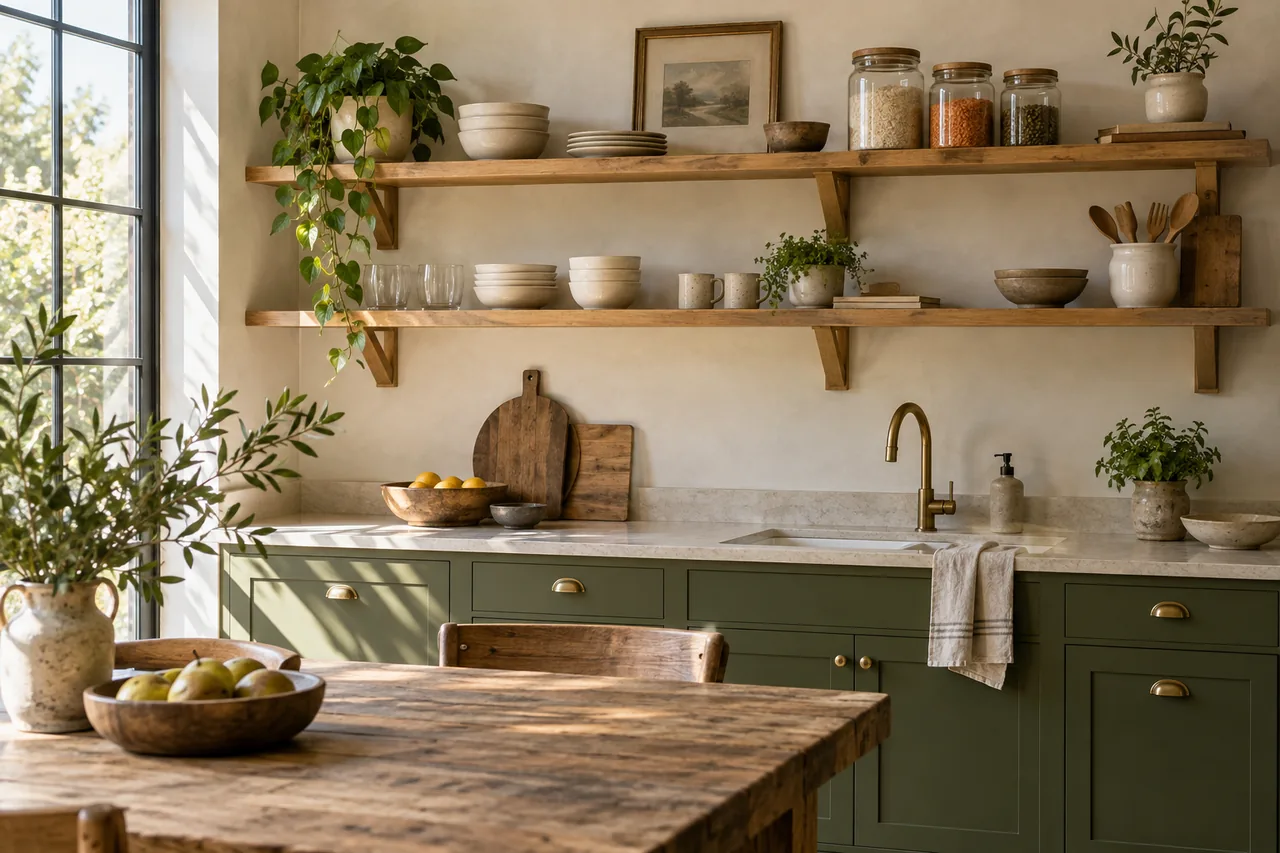
Start with the space, compare the formats, then check the details before buying. Each route connects practical planning with a considered purchase.
Give pantry ingredients, utensils and deep cupboards an accessible place before choosing organisers.
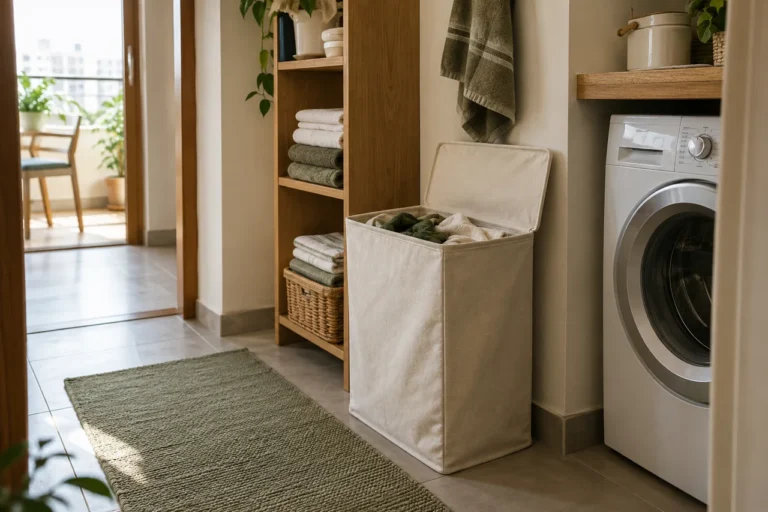
Plan wardrobes, laundry and stored groups around retrieval, filled size and the route through the room.
Count the pieces you use, check cupboard and table space, then compare formats and care instructions.
Keep the walking route clear and compare pot arrangements, care access and the complete footprint.
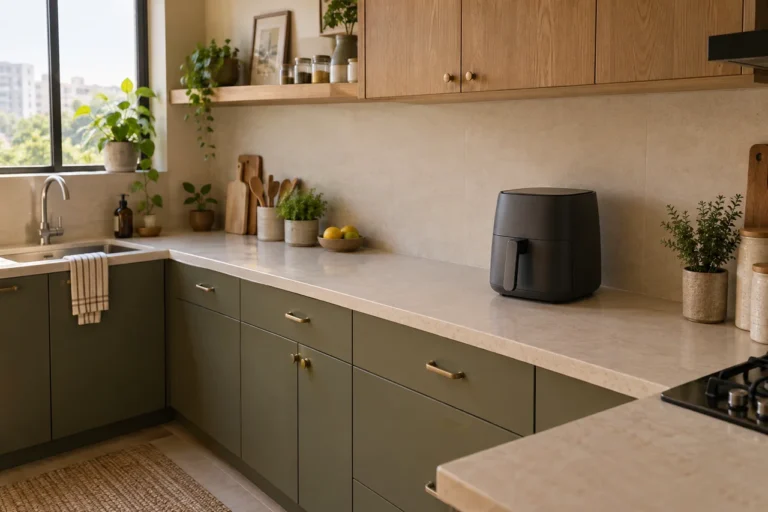
Compare a usual meal, usable basket space and the complete operating position before selecting an air fryer.
Give one corner a clear purpose, preserve movement and use the storage formats that support the routine.
Measure the space, group what you use and check the clearances. A practical starting point for buying fewer organisers that fit your kitchen.
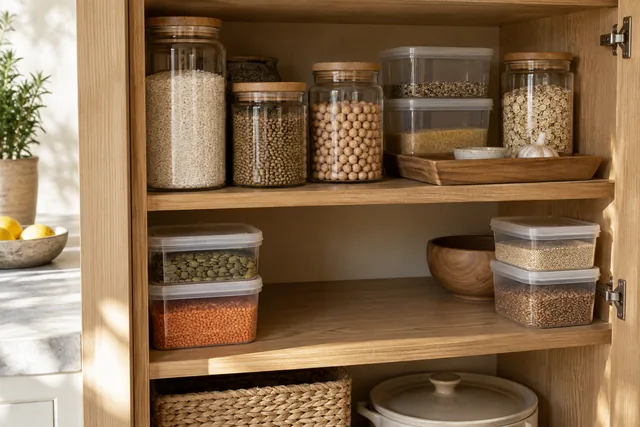
A small kitchen needs containers that make the cupboard easier to use. The best starting point is the shelf you already have: its depth, usable opening and height determine which shapes will work. Buy a small trial group before replacing every container.
Choose a foldable hamper when spare-space storage matters; consider a wheeled basket when moving laundry along a suitable floor route is the difficult part. First map the journey from where clothes collect to where they are washed. Wheels cannot solve stairs or a narrow doorway by themselves.
 Kitchen ↗Everyday essentials, within reach.
 Storage & organisation ↗A useful place for the little things.
 Small spaces ↗Make room for the way you live.
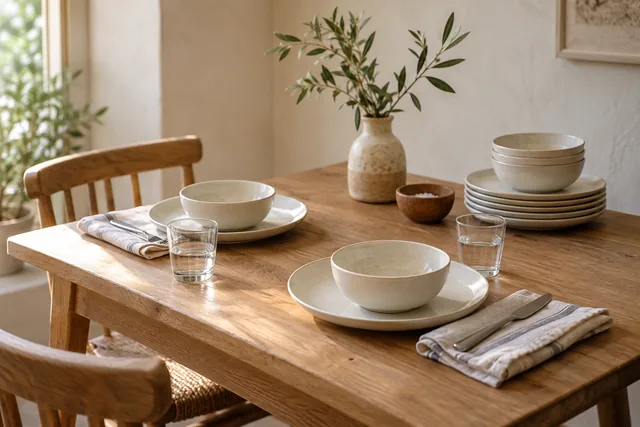 Table & dining ↗Choose what works at your table.
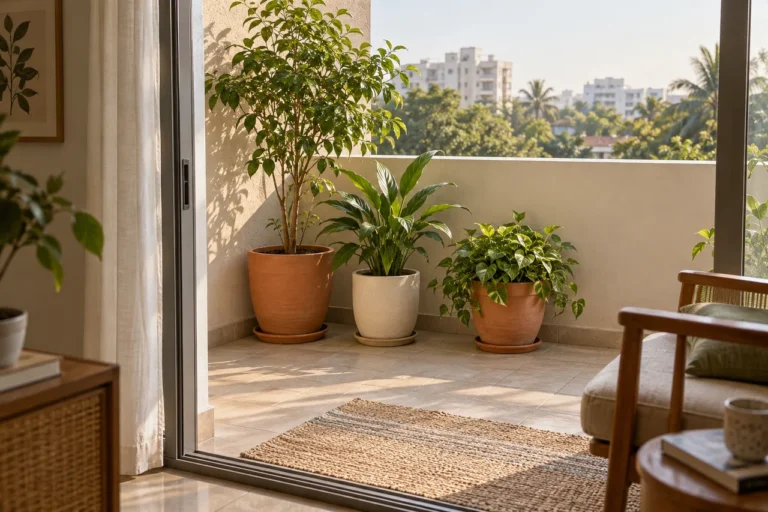 Balcony & plants ↗Keep care access and the walking route clear.Kitchen appliances ↗Compare the meal and the operating space.
A 6.2 L air fryer has a larger stated volume than a 4.2 L model, but that difference alone cannot tell you how much food you can cook well in one batch. Basket shape, food type and the manufacturer's loading instructions matter. Compare those alongside the counter space.
Choose an indoor plant pot by checking its drainage arrangement, the plant's needs and the surface where it will stand. A tray in the photograph does not confirm that the pot has drainage holes or that the selected pack includes a tray for every pot.
Hanging planters can preserve floor space, while floor pots can be easier to reach and reposition. Choose by the actual balcony layout, watering access and mounting conditions. Empty floor area alone is not enough to justify a hanging installation.
Measure a balcony for movement first and planters second. Record the doors, walking route and fixed obstacles before choosing pot sizes. A layout is useful only if you can reach the plants and continue using the balcony comfortably.
A cachepot is a decorative outer container, often used to hold a separate planted pot. A pot with drainage provides an outlet for excess water. Check the actual product: the word “planter” or a styled photograph may not clearly distinguish the two.
When buying a planter set, count usable pots and included trays separately. Then check the dimensions of each piece against the plants and locations you have. A multipack is useful only when the sizes have clear jobs.
Start with the measurements. Then compare the details.
As an Amazon Associate I earn from qualifying purchases. We may earn a commission through affiliate links, at no extra cost to you. How this works.
These are research-based options, not hands-on test winners. Read how we choose.
Glass or plastic pantry containers? Compare filled weight, cupboard fit, visibility and lid care to choose what works for the way you cook.
Compare the Solimo and Cello 18-piece container formats, including jar capacities, cupboard fit and the details to check before choosing a set.
Choose a dinner set by the meals you serve and the space you have. Count complete place settings, then check plate sizes, bowls and cupboard fit.
Collect practical ideas for your next small home project. Find Neat Nest Finds on Pinterest.